 Finding Hope
A Short(ish) Note on Thirteen Reasons Why
Posted on May 18, 2018
Ever since I started this blog, it’s been on my list to write something about the TV show, Thirteen Reasons Why. I’d intended to write something really in depth but time got away from me and now the new season is coming out. And frankly, it’s been done. But with the new season being released, I want to write down some of my thoughts before new storylines and new characters stir all those emotions up again.
There has been a lot of controversy around this show. It’s been criticised for failing to mention mental health and how that likely influenced Hannah’s actions, and most common are the complaints about its graphic depiction of Hannah’s suicide and how it could incite others to do the same. These are all valid points and things that I wish the show had handled better but I don’t want to get too far down that rabbit hole here; as I said, that’s been done and done much more eloquently than I could do it (some examples here and here). But I want to say this: seeing stuff that I struggle with, seeing it out in the world and outside my own head, really helped me. Yes, I found the suicide scene (and many others) distressing and, to a certain extent, triggering but it’s not that simple: I remember watching it for the first time and feeling completely overwhelmed by so many emotions that it took a lot of thinking to untangle them. But it was ultimately a positive experience for me because it made me feel understood. Our stories are different but what Hannah was feeling really resonated with me, like we were on the same frequency. I’m not suicidal (although I have dealt with suicidal thoughts at various times) but I can understand the intensity of the emotions that lead Hannah to that decision and seeing those emotions depicted was a clear sign that I wasn’t alone in that. That was hugely important for me.
I also want to say that it was kind of a relief to me, to see suicide shown so starkly, with no weird camera angles to hide the violence of it. There is so much stigma around admitting that you feel suicidal or that you’re dealing with suicidal thoughts so to have that taboo broken so forcefully felt almost like an opportunity for a fresh start. I’m talking more emotionally than anything else, and only for myself. This is such a complicated, personal issue that I would never want to speak for anyone else. But for me, the more people don’t talk about something like this, the more the pressure builds and the more difficult it is to talk about it. For completely understandable reasons, the reaction is dramatic if you bring up something like this but what if we could discuss it without that pressure? With the respect it’s due of course, but without the pressure. Wouldn’t that be better? Obviously that is too much to put on one TV show but it’s something to aspire to. I’m not claiming to know how to get there or suggesting that this show be the blueprint but for me, it helped with my processing of this incredibly complicated emotional issue. Again, I am only speaking to my emotional reaction to the show. If you felt differently, that is absolutely valid. We’re all in different places and react to things differently; what feels okay for me may not be for you and vice versa. I’m just putting my experience out there.
I could ramble on because I have a lot of feelings about this show and there are a lot of layers to those feelings but I’ll stop there. It’s got its problems, of course, but it made me feel less alone with my mental health and that is something I’ve never had from a film or TV show before. So above all else, I’m grateful for that.
Now, to watch Season 2.
(Blog Note: I’m sorry the posting schedule has been all over the place. As you guys know, my life has been pretty hectic recently but I’m hoping to get back to posting more regularly next week…)
The Blurt Foundation Selfcareathon 2018
Posted on May 18, 2018
About half way through April, I discovered that The Blurt Foundation were running a campaign all about self care on social media, encouraging people to be kind to themselves with a series of prompts. Then, if you wanted to, you could post a photo of what you did under the hashtag, ‘#blurtselfcareathon.’ I scrolled through and came away really inspired; with all the stress in my life recently, I could definitely benefit from some self care.
‘Self care’ is a phrase that has many people rolling their eyes at the moment. It’s become associated with brands encouraging you to buy luxurious bath products and with Instagram photos of cosy days under a duvet, ignoring all responsibility. And yes, taking time out from your life can be a form of self care but it’s often not that quaint. It can be clearing out all the glasses that have accumulated next to your bed, forcing yourself to eat enough even when it’s the last thing you want to do, or dragging yourself to the shower to get cleaned up. It can be going through your receipts so you know how much money you have left in your budget for the week, or counting out the pills you have left so you don’t run out at a crucial moment. Self care grew from minority groups taking ownership of their health, when society dismissed their concerns. We aren’t helpless when it comes to improving our wellbeing and whether you do that by taking a day off to escape and binge watch a TV show or by researching and reaching out to alternative practitioners because you feel your health isn’t being taken seriously enough, it’s an important point to remember.
Although I didn’t complete the challenge in the traditional sense, I thought I’d share a couple of the prompts and what I ended up doing, whether I posted about it or not:
Letter
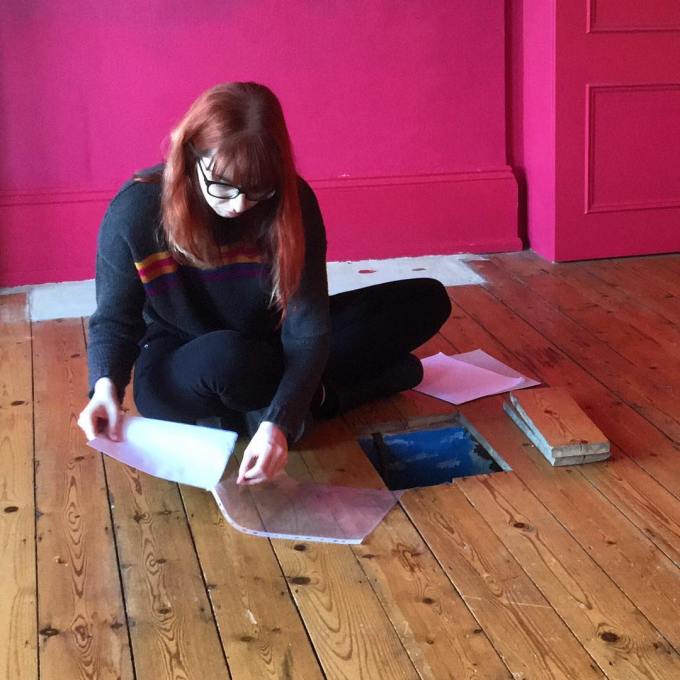
“I’ve only just discovered @theblurtfoundation’s #blurtselfcareathon; I’m very late but I’m so excited to join in. The prompt for today is ‘letter’ so here is me, saying goodbye to my childhood bedroom on Tuesday morning: I left a letter I’d written under a loose floorboard for a future resident of the room, asking them to look after it for me. Saying goodbye was really, really hard, but doing this helped a little bit.”
If anything falls under self care, it’s this. This was something I did purely to help me get through a really stressful time. I definitely want to write more about this in it’s own right but it’s definitely relevant here.
Small Steps
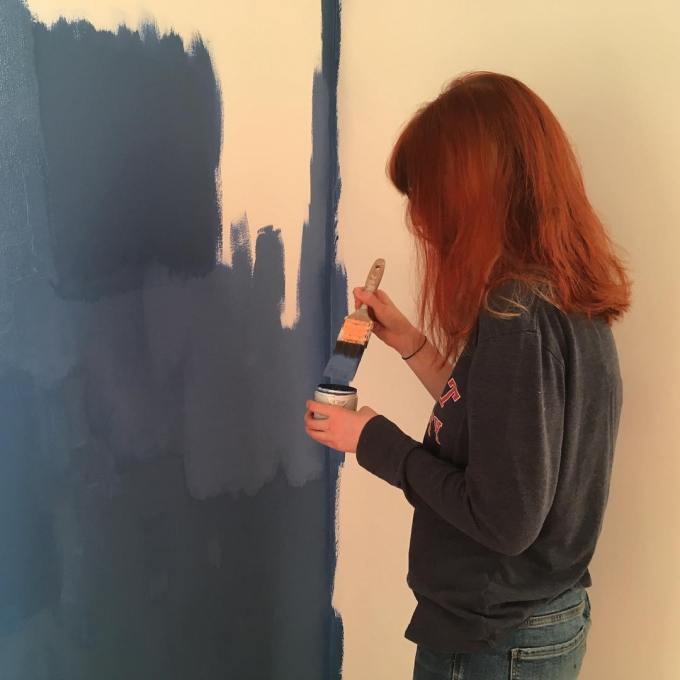
“My new room doesn’t feel like mine yet and I don’t think it will for a while but today I took the first step toward turning it into a safe space for myself. Blue walls and cream carpet to remind me of the beaches I grew up on. There’s a lot left to do but it’s felt really good to start. // Small Steps – Day 22 of @theblurtfoundation’s #blurtselfcareathon.”
Song
For the first time in a while, I picked up my guitar and it felt really good.
Support
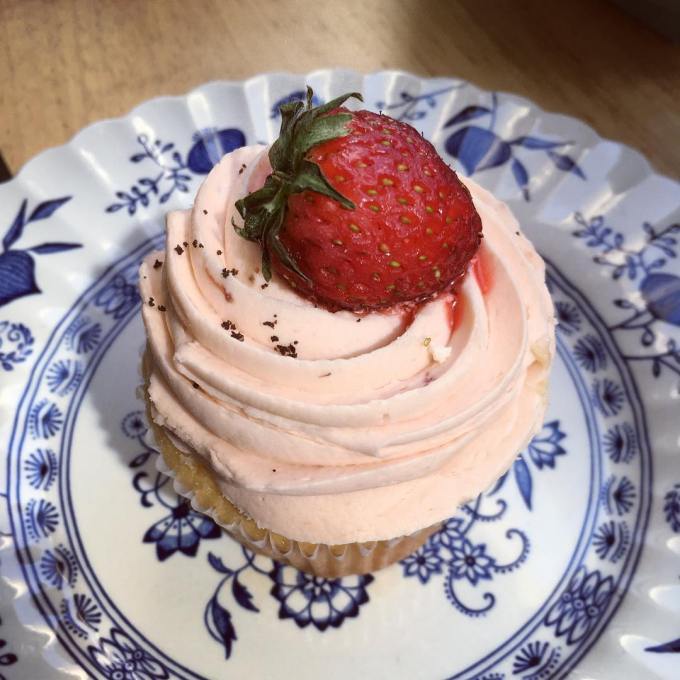
I didn’t end up posting this as part of the challenge for whatever reason but I think it counts. My therapist and I have taken to celebrating big milestones with cake, specifically from Lola’s Cupcakes (they make the most amazing cupcakes): this one was for three years in therapy. It feels like a lifetime and no time at all. We’ve worked through some really hard moments and started to explore things that I never thought I’d say out loud. That’s a huge deal. My therapist is incredible and I’m more grateful to her than I could ever say.
Boost
Over the past few weeks, I’ve been to several gigs (pictured: Megan O’Neill and The Shires) and they’ve all been really cool in their own ways. Live music gives me a boost unlike anything else. It reminds me of my dreams; it helps to refocus me; it makes me feel alive.


Hug
There was a prompt specifically dedicated to animals but I couldn’t resist including the kittens in more than one post. I see them everyday after all. And pretty much every moment I spend with them is self care; they have an instant calming effect on me.
This was definitely a positive experience, trying to work the prompts into each day. Self care is something that’s so personal and so we have to figure out what works for each of us. As I said earlier on, it isn’t always pretty or glamorous but taking care of yourself doesn’t have to be a chore. Something like this is a good reminder to try different things, fun things, things that fly in the face of conventional advice. Hopefully you’ll find something that helps but the act of searching is also an empowering one: choosing positive steps is healing.
Invisible – Out Now!
Posted on May 16, 2018
I can’t quite believe that I’m actually posting this but dreams do sometimes come true and my first single is out now! It’s called ‘Invisible,’ and it’s all about my experience with mental health, with trying to get support. I felt like I was drowning and yet the people who were supposed to help me couldn’t see it; I felt invisible. And that’s where this song came from. I wrote it with one of my best friends, Richard Sanderson, and now that it’s out in the world, all the proceeds are going to Young Minds, the mental health charity for young people in the UK. So please go and buy/stream/share it. I hope it will mean as much to you guys as it does to me.
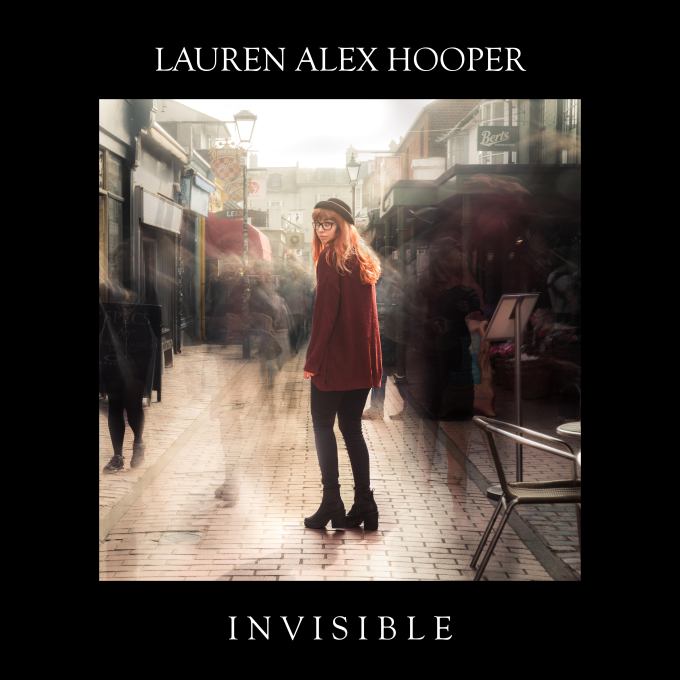
There’s more to say and more content to come, stuff that I’m really excited about, but I just wanted to announce that it’s out! This song, and this project, means so much to me and I’m both excited and scared to see where it goes. Please check it out; you can find it here.
 Finding Hope