 Finding Hope
Preparing for London Film And Comic Con As A Disabled Person
Posted on October 28, 2023
So, earlier this year, I finally felt able to go to Comic Con for the first time ever after several failed attempts (this was mostly due to my own anxiety, which was then compounded by COVID and COVID anxiety). And it was amazing! I had a really, really special experience. Having spoken to them a lot, I was about as prepared as I could be (given that I’d never been before) and that really helped me enjoy the experience so I thought I’d share what I did beforehand and what I learned from the experience that will make it easier next time, whenever I choose to go. With London’s Winter Comic Con coming up, I hope that these can be useful to anyone wanting to go.
Apply for an Extra Help wristband ahead of time – The Extra Help wristband makes you quickly identifiable to the staff at the event so that they know to give you priority and move you to the front of the queues for your photo and autograph, etc. There’s an extra queue just for these wristbands at the talks and reserved guaranteed seating (although it is still first come first served). There’s a specific help desk for the Extra Help wristbands too and all of the staff were lovely and super patient even when I’m sure I was asking really obvious questions. These wristbands do require certain paperwork to get ahold of but all of that information is here.
Apply for Carers wristband – Even if you don’t need literal ‘caring for,’ having someone there to support you with whatever your particular needs are (for example, I needed someone – in this case, my Mum – there to help me keep my anxiety down, to guide me somewhere quiet if I started to get overwhelmed, and to be someone who knows what to do should I have a meltdown or should something unexpected happen) so that you can focus on the experience rather than worrying about what could go wrong and what you’d do if any number of things happened can completely change the experience. A pass doesn’t allow the carer to get photos or autographs but they can join their person in the talks and so on. (I met some members of a group of friends, some abled and some disabled, who’d organised their ticket buying to allow all of them to go for slightly less money, although that only works if members of the group aren’t interested in meeting anyone and only want to look at the stalls and go to talks with the group member they’ve partnered up with.)
Diamond passes are a good investment for seeing someone that means a lot to you – Because the only person I really, really wanted to see there was Amanda Tapping, I bought a Diamond pass because it made access to all of the Amanda-related parts of the event really easy and straightforward. The pass gave me access to the talk, the autograph, and photo, combining and reducing the price. It also improved the accessibility in that it reduced the queuing times and guaranteeing a seat. It made the whole experience less stressful, although I wouldn’t have been able to afford the luxury for more than one person.
Email beforehand if you have questions – Because I was so nervous, I emailed the organisers several times before the event to get as much information as possible. The staff were great, replying clearly and in good time. Having said that, it’s worth remembering that information does change so it’s probably best, should you need to contact them about anything going on during the actual convention, to contact them closer to the event if possible (although they obviously have to set up and so don’t reply to emails in the last few days leading up it).
The line up changes multiple times – The fact that the schedule changes so much has caused me a lot of anxiety in the past, during previous attempts to go, but now that I know that that is what happens, it doesn’t phase me as much. Knowing that the early ones are really only a basic guide and that you’re not going to be sure until the day before, or even the day of, did reduce my anxiety because I stopped panicking every time they changed it.
There are chairs but you have to search for them – I had fully expected to have to sit on the ground between my events (and at times, I did) but there were a handful of empty tables and chairs here and there around the convention space (I assume for events on different days or something like that). So, on the whole, it was a pretty comfortable experience; I could’ve coped with sitting on the floor but it was very nice not to have to. So keep an eye out because chances are, you’ll find somewhere more comfortable to sit than on the ground.
Keep the map on your phone – It’s a huge, huge space with a lot going on and it’s easy to get turned around so keeping the online map (or a picture of the map – I didn’t want to rely on the assumption that the WiFi would be good) does make it easier to navigate that space and to find things more quickly, something that’s especially helpful if you need to find a bathroom or quiet corner as quickly as possible.
An unexpected and beautiful aspect of my Comic Con experience was how many disabled people I saw and, of course, those were just the people with visible disabilities; there were surely many people there with invisible disabilities, just like me. That was so comforting. I’d been so worried about how my disabilities would affect my experience but here were all of these people with disabilities who were, presumably, having a great time. It helped to reassure me that that was possible, not just for that event but for ones in the future. There were also lots of service dogs around – one of which I spent quite a lot of time with – and that gave me a little bit more confidence about what it will be like to have one myself. I just felt very safe and welcome there (even though I’d never been there before), which is not something I often feel out in the world. So it was a really positive experience, on so many different levels.
And although I don’t know whether anyone who’s part of the organisation will actually see this, I still want to say thank you to all of the staff who were so helpful and accommodating and patient – especially when my anxiety rose and I was less able to function – because it made the experience so much better and so special: I was allowed to be myself, to be anxious, to need help. They didn’t for a single moment make me feel weird or stupid for struggling and I appreciated that more than I can possibly express since that is often the world’s default. My Mum and I emailed to express our thanks but I also want to acknowledge them publicly because I really, really appreciated it.
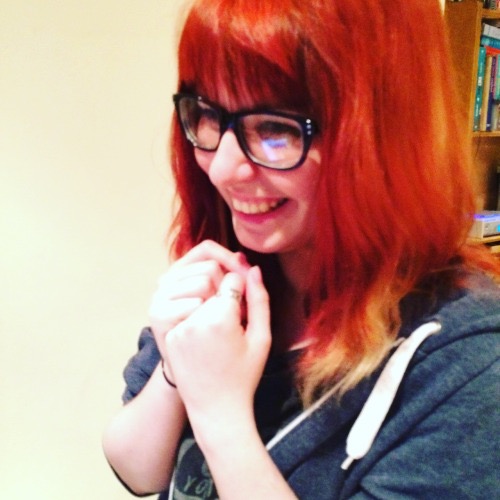
Here is my Instagram post from after the event…
Another Autistic Summer
Posted on August 1, 2022
Summer as an autistic person can be really difficult. There are a lot of changes and some of them can feel quite extreme, quite overwhelming: the heat, the humidity, the general increase of people out and about… It can feel like a lot to deal with. I don’t pretend to know everything – not by any means – but I thought I’d share some of my thoughts and strategies for dealing with some of the big summer stresses…
SENSORY ISSUES
- Too bright – While bright skies are a sensory issue year-round, the summer months are hard in their own way: the light feels like it has a different intensity, it reflects back at me differently, it’s a different colour, it’s present for more hours of the day… It’s hard work on my eyes. I like working in my living room because it has white curtains, allowing for some light but without the glare (although anti-glare glasses are a good option to explore if you’re struggling inside). Outside, sunglasses are the obvious protective measure, but polarised sunglasses are better if you can get them.
- Too noisy – I find noisy environments very stressful and my anxiety only increases the longer I am in that noisy environment. The sensory overload is just too much and I become less and less able to function. And with more people around in the summer, the noisier it tends to be and therefore, the more stressed out I can get. I’ve found that the most effective coping mechanism is noise-cancelling headphones but playing music or audiobooks/podcasts through headphones and earplugs (if you find them helpful, you can have ones specially made – relatively inexpensively – to fit your ears, making them more effective) also work.
- Too hot – I’ve always found the heat of the summer very difficult and have been using open windows, fans, damp flannels and so on for years. But over the years, I’ve found the noise that regular fans make more and more anxiety-provoking so I finally invested in a Dyson silent fan. It was expensive (note: they are less expensive outside the summer months) but it was one of the best investments I ever made in managing my day to day health; it’s the most effective fan I’ve ever had and I use it year round. It’s more than made up for the expense. It’s also important to remember to drink as much water as you can – this is especially important for those with hEDS as well as dehydration makes the symptoms worse. Carrying a water bottle with you, having an app that reminds you to drink regularly, and so on can help you to remember and help you to build it into your routine.
- Different clothes – Following on from problems with heat, that often demands an entirely different wardrobe, which can be a less than comfortable change, literally and figuratively. It can involve different, uncomfortable fabrics or less fabric altogether, which can result in chafing or just feeling really exposed when people look at you. Finding specific fabrics – like cotton or linen – that aren’t irritating can be helpful. Layering, so that you can stay covered up as much as you need to to be comfortable, with thin fabrics can allow you to balance the need to keep cool and the need to be covered. And if you find a piece of clothing that really works for you, I recommend getting several to avoid the repeated stress of trying to find comfortable clothes.
- Crowds – As we know, in the summer, there are more people out and about and the world just feels more crowded. Public places are busier and that can be really stressful. Especially with the anxiety around COVID-19, crowds and crowded places can feel overwhelming which can cause anxiety attacks or meltdowns. The obvious advice is to avoid busy places at peak times but we all know that that’s not always possible. We all have our own strategies for managing anxiety but the ones I find most helpful in this situation are having someone I trust with me, giving myself plenty of time so that I don’t have that additional pressure, and I’ve also found the sunflower lanyard useful in certain places.
CHANGES IN ROUTINE
- Day to day changes – For some of us, our routines change regularly with the seasons but that doesn’t make it any less stressful. As someone who finds change very stressful, I try to make these changes slowly so that I have time to adjust and don’t end up feeling overwhelmed. It requires planning but it can really reduce anxiety.
- Loss of structure – While this isn’t, of course, applicable to everyone, the summer is often when people have time off from their usual occupation or go away on holiday. And with these things, we often find ourselves without structure. A lack of externally imposed structure can lead to a lot of aimlessness and/or anxiety so learning to build our own structures is a good skill; you don’t have to fill your schedule from opening your eyes in the morning to closing them at night but giving yourself things to do and think about (beyond their inherent value) keeps you moving and feeling and living. I do struggle with this but I’ve found it really helpful to have my family prompt me when I get stuck in a rut.
- Seeing less of some people and more of others – As I talked about in my BPD Awareness Month post, I get very anxious about my relationships and fearful that I’ll mess them up or that my issues will be too much for people. So a big change in my routine of seeing friends makes me very anxious. Living with such limited energy, socialising is something I find stressful because it requires so much energy, even though I enjoy that actual spending time with people. I’m lucky that my good friends are really lovely and really understanding but I still worry. I haven’t really figured out a good way of dealing with this anxiety but I do try to be as honest as I can with my friends and family so at least we all always know what the situation is.
ANXIETY
- Trying to do too much – When I have free time, I often end up struggling with a lot of anxiety, usually about whether or not I’m using the time in the best way (partly due to the fear that if I say no to too many things, people will think I don’t care and eventually want nothing to do with me). This can result in trying to do too much, more than my health – my sensory issues, my energy levels, and so on – really allow me to, which can lead to meltdowns or feelings of burn out. Over the years, I have gotten better at judging what I can and can’t manage and what’s really important to me but I still find it difficult and stressful and sometimes upsetting. I think it comes down to practice and self-compassion but that’s easier said than done. (I know that I also have issues about being as productive as possible but I also have a lot of anxiety about time running out in general, in multiple aspects of my life, which means I often end up pushing myself too hard. But I can’t say I know what to do about those issues at this moment in time.)
- The stress of holidays – While there are fun things about holidays and travelling, there are a lot of really stressful aspects, from the actual travel like flying to all the new-ness to being cut off from all of the normal coping mechanisms. There’s also a weird expectation to have fun on holiday that can create added pressure. Personally, I’ve found that the absolute best thing I can do in these situations is just talk to whoever I’m with and try to be realistic about what I can manage, although it’s still a learning curve. It doesn’t always feel like enough but I’m still learning to adjust my expectations to fit with my physical ability; I struggle with feeling guilty about ‘wasting opportunities’ too but, as I said, learning to let that go is a process and requires practice and self-compassion.
- Anxiety around what comes next – This is the first year where I haven’t been in education (or had education on the very near horizon) so I can only really speak to the experience of being in education and how it can, at times, feel like an endless hamster wheel. Every year, there’s the freedom of the summer holidays but there’s anxiety too. I always had this anxiety in the back of my mind about what the next year would bring, having finally gotten comfortable in the patterns of the year just gone. After all this time and all these years, the new academic year still stressed me out to an almost unbearable level so I don’t really know how we, as (disabled/neurodivergent/struggling) students, are supposed to manage that stress. I think a big part of it is on the schools and how they handle the roll out of the new year and talking to the school about it can help but, personally, I haven’t had much experience with that making things better. But I have to hope that they will eventually improve.
I know it’s been a while since my last post. A lot has happened and I’ve been having a really, really hard time. Some of that is stuff that I would like to write about at some point but I still feel like I’m stuck in the middle of it. Plus, I’ve been really struggling to write – with even being able to string a sentence together – which hasn’t been helping anything. Things still aren’t great – which may be the biggest understatement of my life – but I miss writing and I miss writing for this blog so I’m trying to push through. I wrote most of this a while ago and, given how hot it’s been recently, I wanted to get it up while it might still be helpful. I hope it is.
 Finding Hope