 Finding Hope
Hello, Phenelzine, My Old Friend (Well…)
Posted on May 14, 2023
TW: Discussions of depression, suicidal thoughts, self harm, dermatillomania, trichotillomania, negative thoughts about food, and mention of a school shooting.
So, after months and months of resisting, I’ve started taking Phenelzine again. I was deeply reluctant for a number of reasons; after all, just deciding to take it again (and it didn’t really feel like my choice but one imposed on me by external forces) was an excruciating process and took a lot of therapy, a lot of talking, and a lot of misery.
I really didn’t want to take it. I knew that I would objectively feel better but I also felt like it would change a lot of really important things about how I felt about the world and about myself and that scared me. There were also things that I knew it wouldn’t change so there seemed little point in trying to feel better. So my feelings about it were a mess and sorting through them felt like an impossible task. But I wanted to go to Nashville and Phenelzine felt like the only way that that was going to be even remotely possible (which I still believe to be true, having now done that trip to Nashville). Ultimately it felt like a choice between two miserable outcomes and a choice I didn’t know how to make. And even though I did take it – and am feeling objectively better – I still feel angry about it, about feeling like I had to take it.
For the sake of clarity, I started taking Phenelzine on 10th March 2023 and this post covers the first two months approximately, documenting the side effects and the benefits. I thought about cutting it in half, given how long it became, but ultimately, I think it’s more useful to keep all of this information in the same place. And, as always when talking about medication, this is just my experience. Please don’t start, change, or stop taking any medications without the advice and support of a medical professional.
WEEK 1 (15mg once a day)
Nothing changed in that first week. I was desperately depressed (most days I was too depressed to get out of bed) and consistently, deeply suicidal; I just felt completely hopeless. I self harmed that first week, driven largely by my complicated feeling about taking Phenelzine again.
I had no energy and was physically exhausted but somehow still made myself get up and go to both my hydrotherapy and therapy sessions (I think that that, more than anything, was a lack of will to fight what I was being told to do), although they did, of course, make me even more tired. I had no appetite but I didn’t have any interest in food anyway. I would’ve ignored it altogether but my Mum pushed me to eat something everyday; even that was a struggle though.
The plan was always to increase to twice a day after a week or so but given that I wasn’t feeling any change and time was running out (plus the very important factor that I’ve taken this medication multiple times before and so I have a lot of experience with it), when I asked my psychiatrist if I could move to the higher dose slightly earlier than planned, he agreed. So I started taking 15mg twice a day after only five days.
WEEK 2 (15mg twice a day)
Physically, I felt pretty awful. My sleep continued to be erratic and terrible; I had pretty much every form of bad sleep that you can have. I was constantly exhausted during the day and so drowsy that I struggled to do anything; there were days where I managed to get out of bed only to lie on the sofa.
At the beginning of the week, I was still feeling deeply suicidal. I felt overwhelmed and hopeless and was deliberately self sabotaging: I was desperately avoiding food wherever possible (and then constantly feeling like I wasn’t trying hard enough); continuing to isolate myself; pushing myself too hard in hydrotherapy; and so on. Over the course of the week, the nature of the suicidal thoughts and feelings changed a bit. At first, I wasn’t sure if I was still suicidal but then, when I thought about it for more than thirty seconds, I realised that I was: the fears that ultimately drive my suicidal thoughts and feelings were still there and still really, really big, leaving me so completely overwhelmed that living felt unbearable. I was also incredibly anxious (if I had to put a number on it, I’d say I was consistently in the top 5% of my – very wide – spectrum of anxiety). I was practically living on Diazepam (not a good idea, I know, but I was just trying to survive) and even with the help of that, I was suffering from significant physical symptoms, something that isn’t usually part of the anxiety experience for me: I was nauseous; I consistently felt like I couldn’t breathe and deep breaths felt physically impossible, like the air wasn’t going into my lungs but elsewhere somehow; I also had periods where I felt frighteningly short of breath; my throat felt so tight that swallowing felt like it took ten times the usual amount of effort, like I had to concentrate all of my energy just to get food down; I cried a lot, something I hadn’t done much of during what I’ve been describing as ‘my depression coma.’ The looming Nashville trip was a particularly intense source of anxiety; just thinking about it made me want to curl up so tightly that every bone broke or scream until I disappeared from existence. These sound like poetic ways of saying I was anxious but they are literal descriptions for the deeply visceral emotions I was trying to cope with.
I could most definitely feel the Phenelzine starting to work though: I managed to write some bits of songs on a few occasions, which was more than I’d been able to do for a long time up to that point; I started engaging with social media again, although it was in a limited capacity and I really struggled with it; I went back to bullet journalling and to do lists, having abandoned those months earlier; and so on. Having said that, all of those things also increased my anxiety about life and about bad things happening, making my suicidal thoughts even worse. Alongside those literal examples, I also felt like my brain was moving faster, having felt so sluggish for so long, but that didn’t necessarily mean that that activity was… desirable. My thoughts weren’t more organised, weren’t making me more productive. Everything was moving so fast that it often made me feel sick; my thoughts were chaotic, making them hard to keep track of and making it even harder to concentrate than it already was. It was exhausting. But I felt like the lights were slowly starting to come back on. It wasn’t bad exactly but it was more than a bit unsettling because I hadn’t really realised that the lights had gone off – figuratively speaking – despite how bad things were.
I wasn’t sure if I was experiencing any physical side effects, especially since I was already struggling with exhaustion, drowsiness, depression, and anxiety. But there were a few things that could’ve been side effects: a few moments of nausea so overwhelming that I had to lie down until they passed; I also kept finding that my mouth was really dry, that I was drinking a lot more than usual, but it wasn’t consistent enough to be sure it was a side effect. The first time I took Phenelzine, I struggled with something akin to manic episodes and although I didn’t experience that this time, there were definitely moments where some of those recognisable feelings and behaviours arose; one of those was talking compulsively, unable to shut up as hard as I tried. It was frustrating but it was at least familiar and so I knew it would pass; I just had to wait it out.
WEEK 3 (15mg twice a day)
The last few days before Nashville were brutal on both my brain and my body. I was unbearably anxious: I felt completely overwhelmed, to the point where I couldn’t concentrate on anything; I felt like I could barely breathe or swallow; I was near tears for days. I tried really hard in therapy, ending up in tears, but I still felt like the anxiety was tearing me apart. I think that was part of the reason my chronic pain flared up again, from my neck down to my hips, and the pain was constant, regardless of any medication I took. It was awful. Other than that, I continued having moments of intense nausea, sleeping erratically (and feeling deeply tired during the day), and feeling generally unwell. I was also desperately frustrated by what, at that point, was most certainly the side effect of a consistently dry mouth; I was so thirsty, I went from barely drinking anything to the equivalent of multiple bottles of water in a day.
During those few days though, I had a conversation with a close friend, one of the few I’d managed to stay in vaguely regular contact with (for the previous few months at least). We were talking about music and I found myself enthusing about it, to a point that took me by complete surprise. It was disconcerting to feel that passionate about anything after so long without feeling anything like that, anything that strong. The sudden emergence of this feeling really threw me: my identity suddenly felt incredibly unstable and I didn’t know who the real me was, the depressed person who was wrapped in layers of cotton wool misery or the person on Phenelzine who loves music more than anything. It was scary and confusing and made me feel very unsure of myself, of everything.
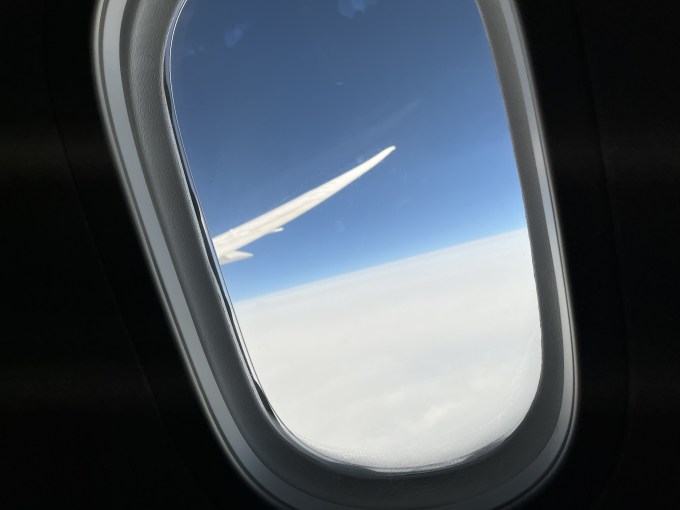
Halfway through that week, I flew out to Nashville, the trip my main motivation for going back to Phenelzine. The flight was about as straightforward as they can be and my first few days there were pretty quiet, physically at least. It gave me some time to recover, which was both much needed and much appreciated; I was exhausted and the jet lag was really rough. The chronic pain was ongoing and I struggled against a migraine-like headache. The dry mouth was persisting and I was drinking water like it was going out of style. My anxiety was at an all time high. Between the flight, arriving in Nashville, anticipating the ten (ish) days ahead, thinking about all of the things that could potentially go wrong… I was so anxious that I honestly felt like I was going to be sick. It was excruciating.
It also feels important to mention that it was in those first few days in Nashville that The Covenant School shooting occurred. I wrote more about this and my feelings about it in my Nashville post and it doesn’t feel like this is a suitable post to rehash those emotions but it was very distressing and I found myself hit with a sudden flood of feeling hopeless and upset and even more anxious.
WEEK 4 (15mg twice a day)
That week in Nashville was A LOT, on so many levels.
I never really got over the jet lag so I struggled with fatigue and exhaustion throughout the whole trip. I started out at tired and within a few days, I’d reached exhausted and I fought against that constant physical exhaustion from then on (until long after I got home). I tried to be strategic – avoiding and minimising the walking and standing where I could – but there was still more time on my feet, especially in queues than I could really handle (but we’ll come back to that). Because of the jet lag, I slept erratically at best and terribly at worst and I was so tired that there were multiple occasions where I just crashed on the sofa and slept for several hours during the day. By the end of the trip, I was struggling not to fall asleep in public places.
The walking around, queuing for shows, and the hours spent in uncomfortable chairs was an absolute nightmare on my body, leaving me stiff and sore for the whole trip. My chronic pain hadn’t been great before we left but this was a whole new level of pain, from my neck to the soles of my feet (but particularly my back and legs). I could barely move by the time I got into bed each night, my muscles screaming, and I spent a lot of time stretching out my back and warming the muscles with my portable electric blanket, trying to ease the pain a bit but my back was wrecked by the end of the trip. I was also hit by one of the excruciating, spasming pain attacks in my back that had me unable to move and screaming until it passed. I don’t experience them as often as I used to but they’re horrendous when they do happen. So, pain wise, it was a pretty miserable experience.
In regards to Phenelzine side effects, there was still only the one that I was sure of: I was still constantly thirsty. All I had to do was breathe through my mouth for ten seconds or so before my mouth was so dry that I could barely breathe, my breath catching in my throat. I was drinking so much water, bottles and bottles a day and I could’ve happily drunk more.
My anxiety was, for the most part, terrible, especially at the beginning. I was so anxious – there were times that I honestly felt like it was going to make me sick – and there was just so much uncertainty, plans constantly changing and unfooting me; it was almost impossible to feel settled (a feeling that I always have in Nashville). There were days where it wasn’t quite as bad though: the good managed to balance it out, I got settled in various ways that helped me cope better, and then there were times where I was just so overwhelmed that I couldn’t tell what I was feeling, whether I was feeling anything at all. With so much to feel, sometimes my mind just seemed to go blank, like a defence mechanism, like feeling it all would just be too much.
That’s not to say that there weren’t good moments and good feelings. I spent time with lovely people, went to amazing shows, caught up with old friends and made new ones… It was good, if a lot to process: it was more than I’d been doing for months crammed into a single week. I mean, I had my first ‘glowy’ moment – a moment where I feel like I’m glowing with pure joy – in longer than I can remember, which was very special; they’ve been hard fought for over the last eighteen months. I was giddy for the rest of the night. I also went to a party despite a tornado warning (the first of some potentially questionable decisions, but I hung out with lovely people and had a good time) so it may be that I was more impulsive than usual, something I’ve noticed before when starting Phenelzine (on both occasions); it’s kind of fun but also feels like my world is tilting back and forth wildly. I did enjoy myself but there were also moments where I felt like those feelings weren’t really landing, maybe because they felt so weird and disconcerting after being so deeply depressed for so long.


Emotionally, I was completely all of the place. As I said, it was just so much to process. And by the end of the trip, I was a complete mess. In some ways, I was desperate to go home but I was also really reluctant, both to leave and to return to normal life. I was confused and conflicted and anxious, which I can’t imagine was made clearer by the pain, exhaustion, and mess of feelings that the early stages of Phenelzine creates.
WEEK 5 (15mg twice a day)
The flight home was okay and I managed to sleep for most of it, although it wasn’t particularly restful. And sleeping with my legs bent the way I did meant that when I woke up and I tried to walk, the pain my knees was awful; it made me extra grateful for the Meet and Assist. I felt okay for a while but then the jet lag crept in and, no matter how hard I tried, I could not stay awake. I ended up sleeping on and off all day; I was just so tired and sleepy and overwhelmed by everything.
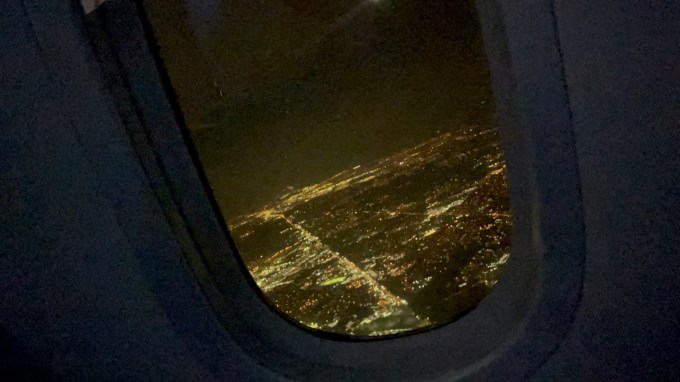
Getting back to normal was hard. The jet lag was just as brutal travelling this way and I was completely exhausted; I kept falling asleep during the day, which only made my sleep schedule worse and it wasn’t great to start with. I made myself go to therapy and hydrotherapy, both of which were good to do in their own right given the previous ten days but also helped to physically tire me out. The pain in my back was almost unbearable, making it impossible to do much (although, arguably, taking the time to rest wasn’t the worst thing I could’ve been doing). And I was still so, so thirsty.
After two weeks of chaotic busyness, I suddenly didn’t have anywhere to be or much to do and that left me feeling weirdly untethered and lost and anxious (although it was probably good for my physical recovery to have that quiet time). With Nashville over after thinking about it for so long, I felt low and depressed and empty; it was a combination, I think, of the adrenaline and what I call the ‘Nashville effect’ (I always find myself feeling lighter and more open and joyful, even with all of the anxiety and mental health stuff – it’s been there on every trip) wearing off and readjusting to normal life and all of the things that I had to engage with and get done. It all felt very hard. Having said that, I did manage a very complicated journey to and from London to spend a lovely evening with friends, which was really nice, if exhausting. But even with the good moments, I was feeling so anxious and depressed with the consistent background noise of suicidal thoughts. With all of that clawing at the inside of my head, I found myself reopening the recent cut on my face and ended up making it worse.
WEEK 6 (15mg twice a day)
I spent most of that week struggling with some kind of virus or something. What started out as a sore throat and a cough turned into sore ears, tender glands, and a painful cheek and jawbone. It was pretty miserable – I felt overwhelmed and sad and kept bursting into tears – but I took a test (and several more throughout the week) and at least it wasn’t COVID. On the worst day, I was suddenly overwhelmed by nausea, breaking out in a hot sweat, and I had to lie down until it passed because my ears rang whenever I stood up. I felt so rough and exhausted by it that I fell asleep and slept for most of the day. After that, I slowly got better although that still involved days of general unwellness.
Sleep was still a struggle, including one night where I only got two hours of sleep. Even when I slept reasonably, I was so tired and sleepy during the day, which made concentrating even harder than it is normally. The pain in my back continued, although the severity of it slowly dropped to a low level ache by the end of the week. The desperate thirst remained too; I was still drinking so much water, which I’m sure is good for me even if the cause is annoying.
By the end of the week, I was starting to do things again – not at a Nashville level or even a pre-depression coma level – but more so than I had felt able to over the previous eighteen months. I saw family, hung out with friends, worked on music projects, exhausted myself in therapy, and pushed myself hard at hydrotherapy, upping the intensity; my legs cramped and shook but it felt good, like I’d done something really productive. I’d found hydro getting easier over the previous couple of weeks and I wondered if it was the Phenelzine, whether it was somehow allowing me to feel stronger in my body and able to push it harder. It wouldn’t surprise me but it isn’t something I’ve felt when taking Phenelzine before.
An added complication was the cut on my face. Having opened it up at the end of the previous week, I suddenly couldn’t leave it alone, tearing at it with my fingernails and making it worse and worse; every time it started to heal, I opened it up again. As hard as I tried, I couldn’t stop, couldn’t rid myself of that anxious energy. After several days, I managed to divert it but I only ended up doing a different kind of damage, chewing away the callouses on my fingers from playing guitar; I was almost down to the next layer of skin, which really hurt. The urge to tear at my face, to chew my fingertips, to pull my hair was just relentless and however I tried to repress or redirect it, it remained just as strong and trying to resist it just felt like it took more energy than I had (I mean, it’s always felt like that but it felt like it had gotten worse). I’ve struggled with the urge to pull my hair or to self harm for years but for some reason unknown to me, it had suddenly gotten much worse and much more damaging. It could’ve been Phenelzine related (my hair pulling started around the time I first started taking Phenelzine, given the timing, but I don’t know if there’s a connection – there was a lot going on) but I don’t know.
WEEK 7 (15mg twice a day)
My sleep started to level out: I still had nights where I only got a couple of hours of sleep but I also started to have a few nights where I slept deeply and heavily, which I was grateful for. But despite those better nights, I was still always, always tired and so often sleepy during the day. There were days where I was too tired to do anything and my struggle with concentration only continued. The back pain was still present but at a much lower level than it had been during and immediately post Nashville. And whatever illness I’d had seemed to have passed; all that was left was what felt like a mild cold. The sniffing was boring but perfectly manageable. And the endless thirst was becoming more normal, if still annoying. So even though none of it was wonderful, I guess there were improvements on all fronts.
My anxiety and depression hadn’t been resolved as much as I would’ve hoped, as I remember from previous experiences with Phenelzine (although that could be me remembering it wrong). There was more in my brain than there had been previously: I was having good moments and good emotions, as well as just more emotions in general, so the depression wasn’t so aggressively front and centre anymore but it was still there, still heavy and miserable. I was still having suicidal thoughts pretty consistently too, like uncomfortable static in the background of everything; all of the huge, awful, terrifying things that happen in life just felt completely overwhelming and I don’t want to live through them. That’s really hard to not feel. I felt fragile and overwhelmed a lot of the time. I was just so anxious about all the things I had to do; I felt incapable of concentrating enough for any of them, which just made my procrastinating even worse. I worked hard in therapy, trying to figure out some really hard questions, and I just ended up feeling really overwhelmed by everything; being more engaged with the world, being ‘better,’ just felt really scary.
Having said all of that though, I did manage to do things. I had a very long, very social day; I had a long work meeting on Zoom (which I absolutely would not have been able to do pre-Phenelzine); I hung out with a friend; I worked on music stuff; I pushed myself really hard at hydrotherapy. Plus, I released my new single, ‘House on Fire,’ which was a big deal considering that, during my depression coma, I wasn’t able to engage with music at all. The day went well although it was stressful and exhausting too.


The whole hair pulling, chewing my fingers, tearing at my face situation was not good though. I just couldn’t stop; my face and fingers never allowed to heal. The cut on my face was only getting bigger and typing on my laptop or playing guitar was super painful. It was a mess and I had no idea how to fix it.
WEEK 8 (15mg twice a day)
My sleep wasn’t great but it wasn’t terrible. I had bad nights, broken sleep and waking up exhausted, but I also had decent nights too where I slept long and deep. But, regardless of how I slept, I was tired and sleepy throughout the day, often struggling to concentrate on whatever I was doing; the intensity fluctuated but they were constant. I also found going to bed difficult, so anxious that I procrastinated into the early hours of the morning. This seems to be my new normal, or at least on the spectrum that is my new normal.
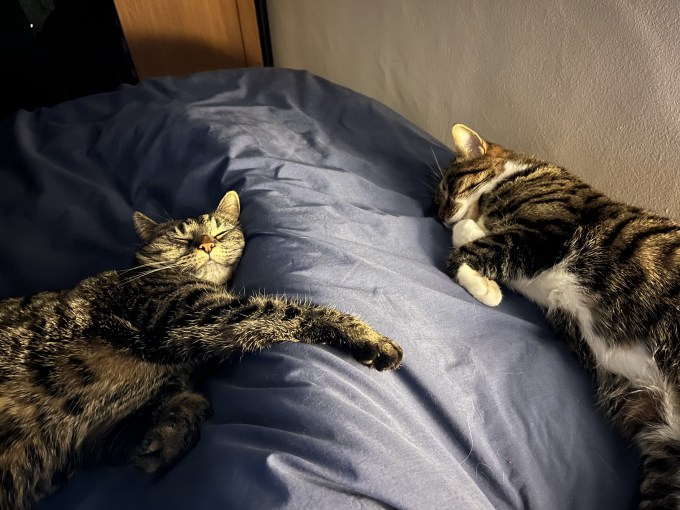
I was having more and more productive days but I was still really struggling with my anxiety. I felt fragile and overwhelmed, anxious about everything that I needed to do and everything that was happening; it made concentrating extra hard and I ended up procrastinating quite a bit, especially with the harder things. All of the hard stuff was persistently on the peripheral too. I worked hard in therapy and hydrotherapy too, exhausting myself; I was getting out of the pool, breathing hard and legs shaking. The chronic pain hadn’t faded entirely but it was down to an almost ignorable level, which was probably the best it had been for a long time.
The damage I was doing to my hair and fingers and face was ongoing, although I discovered that covering the broken skin with plasters or gauze and creating a barrier between them and my fingernails did help, slowing the damage and actually allowing them to heal a bit. That did mean my hair bore the brunt of that panicky energy, which painful for my scalp, shoulder, and elbow. Every time I try to redirect that energy, it just seems to find another destructive form, never one that doesn’t do any damage. It’s a real struggle.
I didn’t intend for this post to get so very long but between Nashville and getting sick, I wasn’t sure if I was accurately representing my experience with Phenelzine. I’m never sure how interesting these posts are to read but I feel like the experiences of taking these medications are important to share, to document. I’ve never seen anyone talk about taking Phenelzine and I’ve had multiple people reach out to me to ask about it; all of the information out there seems to be purely factual. So I wanted to make this first hand account of it available for people to get a sense of it, even if it’s only my experience and only this time, my third time taking it. On the two occasions I’ve taken it previously, I didn’t write about it because, the first time, I didn’t have this blog and, the second time, I was so depressed that I couldn’t write. Long story short, here is my experience of taking Phenelzine (for the third time) and I hope that, for anyone about to take it or already taking it, this account is helpful and informative.
Over two months in and I still don’t feel great about Phenelzine (for all of the reasons that I didn’t want to start taking it originally), as much as I can recognise the objective benefits. And with those benefits in mind, with my anxiety and depression still very present, I think that I need to try a higher dose in order to get the most out of it. It was too much last time but I wasn’t trying to come back from such a bad place so maybe I just need a bit more help this time. I’m waiting to hear from my psychiatrist and then I guess we’ll see.
BEHIND THE SONG: House on Fire
Posted on May 5, 2023
Today I posted a new video on Youtube, talking about the inspiration and process behind the writing of my newest single, ‘House on Fire.’ I posted it on all of my social media accounts but I also wanted to post it here because I put so much of myself into this song. Both my initial inspiration for the song and the interpretation that has evolved over time mean so much to me and it means a lot to me to share it all in more detail. I just felt like you guys might connect with these stories, as well as the song.
If you haven’t listened to the song yet, you can find it here and I’ll be releasing more stuff soon. I hope you like the song, I hope it makes you feel something, and I hope it’s been interesting to hear the story behind the writing of the song, some of the behind the scenes of the creative process.
As always, thank you for listening to my songs, watching my videos, and reading my posts. It means more than I can say.
EDIT: You can now watch the behind the scenes of making this video, where I rambled, tripped over my own tongue, and accidentally advertised Red Bull! Enjoy! (x)
It Only Took Eight Years…
Posted on April 22, 2023
Last week, I had a little moment – relating to being autistic – that just utterly made my week, my month… you get the idea. And I wanted to share that on here.
Sometimes it feels like medical professionals just don’t get it and it’s easy to feel pressured into making decisions that we wouldn’t necessarily have made had our needs been understood and had we been given more time to think about it. But then something like this happens and it just… makes me feel hopeful, I guess. That things will get better, that people will become more aware and more understanding.
If you’ve been following me for a while, you may remember that I’ve been going to a specialist dental clinic for several years now, having had some pretty traumatic experiences at the dentist before that, before my Autism diagnosis. Since then, going to the dentist has been a lot less scary; I think it will probably always be stressful but it is a lot easier than it used to be (and for that I am very grateful).
I was at my appointment last week and after a gentle and patient check, my dentist ran through the potential next steps. Then she paused and acknowledged that I probably needed some time to think about it, that, while I seemed calm, she didn’t want to make any assumptions about what I was actually feeling and what I would be comfortable with. It surprised me in the moment but fortunately it was an easy choice so we moved on quickly. But then, as I was walking out, I processed what had just happened and I was kind of floored by it. I don’t think I’ve ever had a medical professional say something like that to me before, not in the eight years since I was diagnosed as autistic: I probably needed some time to think about it, that, while I seemed calm, she didn’t wanted to make any assumptions about what I was actually feeling and what I would be comfortable with. (I’ve talked about masking and needing time and feeling pressured with therapists but I don’t really put them in the same box as every other kind of medical professional: GPs, consultants (some who work with autistic people and therefore really should know better and some who don’t but should still know better), mental health professionals, dentists, etc.) If I had a pound for every time someone just assumed I was fine because I look fine – even knowing that I’m autistic, even knowing about masking – I would be unbelievably rich. So, having that acknowledged and considered and validated… I don’t even know how to describe how great that feels.
While having this all the time would be amazing, I’m really grateful to have it in a medical space, the kind of space that can be so stressful and pressured. Generally I’m not afraid to tell people that I’m struggling but masking or that I need time to think about things but after so many traumatic experiences in medical settings, I find it very hard; the pressure feels more suffocating and I feel so close to panicking. It would be great to have more people like my dentist with her approach in healthcare but, in this moment at least, I’m just deeply grateful that I have one safe space when it comes to managing my health.
I’ve been thinking about this experience a lot since it happened and while I remain incredibly grateful to have this dentist taking care of me, I just can’t help wondering what it would be like if there were more people like her, not only in medical spaces but in society in general. I can’t even imagine what that would be like. I’m pretty loud and proud about being autistic (even if I don’t always feel proud – I just can’t bear the thought of being even a small part of the reasons why someone might feel bad or scared or ashamed of being autistic) but I don’t always feel safe doing that. And that applies to everything from physical safety to work opportunities to potential friendships. I’m painfully aware that I could be jeopardising those things when I make it clear that I’m autistic (not that it will stop me – after all, it’s going to come up sooner or later). I just can’t help imagining what it would be like to be and talk about my whole self and feel safe doing that.
 Finding Hope