 Finding Hope
Taking A Self Care Day
Posted on August 4, 2018
Within an hour or so of waking up, I knew I needed a self care day.
I’d started the day at the gym, swimming in the outdoor pool. It felt good to do but by the time I got out, I was feeling really anxious and fragile. I thought about it and talked to my Mum and decided that I needed a day to look after myself. I needed a little break from life, from all the big, hard stuff.
It was never going to be a particularly busy day. I had planned to do a couple of things in town but there was nothing urgent and I felt really low on social energy. Sometimes it’s worth pushing through, worth practicing opposite action, but sometimes it just makes more sense to focus your energies elsewhere. So I cancelled that stuff and headed home.
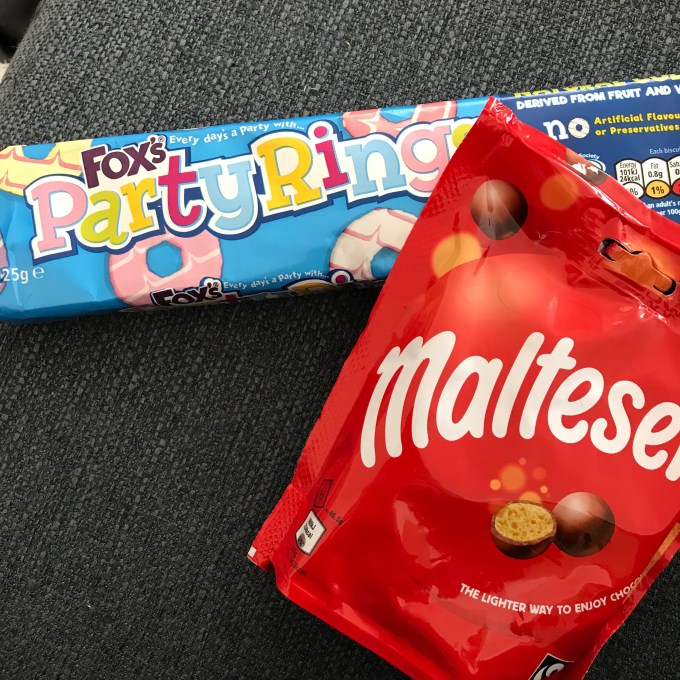
On my way, I popped into the supermarket and bought some treats for myself. I’ve been pretty good about eating healthily recently, which I’m really proud of given my issues with food. But we all need unhealthy stuff sometimes and that day was one of those days. I also bought some new notebooks, which always cheers me up.
Once I was home, I headed to the living room and drew the curtains. I’ve never had white curtains before but I absolutely love it: you can draw the curtains and shut out the world but there’s still good natural light. It’s a little bubble in which I feel safe. I changed into my favourite T-shirt, put on a Harry Potter film for background noise, and got to work on the emails I’ve been avoiding. I was avoiding them because they were stressful but ignoring them only created more stress so I needed to address that. I just needed the right environment – a calm environment – to feel able to do that. And I felt SO much better afterwards. I also got caught up with my diary and my photo albums, both of which are my self care staples.
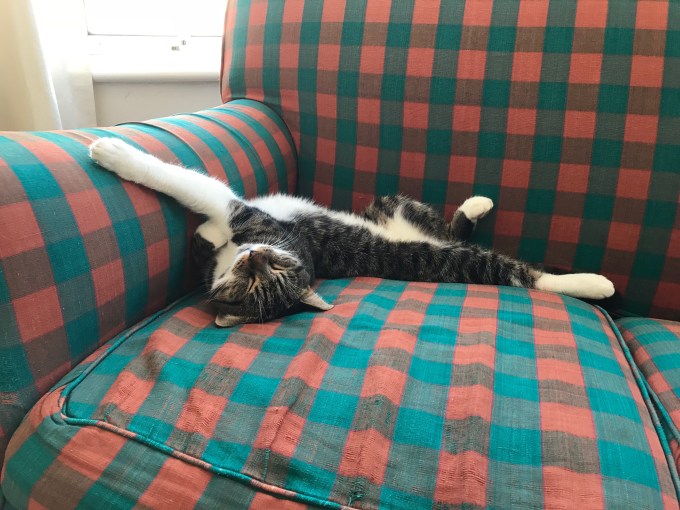
Another thing I was really worried about was my cat. She was spayed not that long ago and I just had this anxiety that the wound wasn’t healing properly. My Mum was taking our dog to the vet so I asked her to take Lucy with her. I have serious anxiety about going to the vet (probably from when we had to have my previous cat put down) which does need addressing but that wasn’t going to happen in a day and I didn’t want Lucy to suffer because of it. The vet checked her out and gave her a clean bill of health, much to my relief.
It’s also a really good time to try and practice good habits, healthy habits. I’m trying to build several things into my daily routine (not that I really have a daily routine), including drinking the recommended amount of water, practicing my instruments, and making sure I do something creative. Without a day to stop and take stock of my life, it’s easy to get into a really frenetic cycle that just gets faster and faster until I inevitably crash. So, for me, it’s important to stop.


So there you have it. This is what I do in a self care day. Obviously it’s different each time because of what’s happening in my life but, for me, a self care day involves several things:
- Calming my environment
- Addressing anxieties
- Assessing my routine and my habits
- Feeling safe and comfortable
Sometimes that means curling up in bed with my cats and my favourite TV show and sometimes it’s replying to all my emails and so on that have built up. Sometimes it’s like an aesthetic instagram post with fluffy socks and candles and sometimes it’s ugly with tears and frustration. We all do it differently and we all do it differently each time. Self care is a very small title for a very big idea.
An Introduction to Amitriptyline
Posted on July 28, 2018
I have now been taking Amitriptyline for about six weeks so it’s probably time to take a step back and get some perspective. I usually look at it week by week but this time, that doesn’t really make sense. The effects (and side effects) have been fairly consistent…
I’ve been feeling overly emotional ever since I stopped taking the Venlafaxine and that hasn’t changed with the addition of Amitriptyline. Everything makes me cry, from difficult decisions to TV storylines. And sometimes I cry for no reason at all. After twelve months of feeling incredibly disconnected from my emotions, it’s pretty overwhelming. I’ve described it as similar to turning an old tap: it’s nothing, nothing, nothing and then suddenly, it’s spilling everywhere and I’m emoting all over the place. It feels very extreme and I don’t seem to be able to control it.
But having said that, I am thinking more clearly. Up until very recently, I’ve been struggling to think, to write, to engage at all. I’m not sure I can really explain it: it’s so deeply rooted in feelings rather than words. It’s not really measurable. It’s kind of like trying to run through water: it takes so much energy to achieve so little. And once you get out of the water, moving is so easy and it’s such a relief. I’m so relieved to be able to think again. I don’t feel like I’m back to normal (and I’m still struggling in the songwriting department) but the fact that I can even write this out is a big deal.
One weird consequence of changing medications is that I want to eat all the time. I really hadn’t expected that. When I stopped taking the Venlafaxine, I was eating about one meal a day: I didn’t have much will to eat and the medication made me incredibly nauseous. And now, the urge to eat is there at all times. There have been days where I haven’t been able to concentrate because all I can think about is food. It’s causing me a lot of anxiety: firstly, because it’s a pretty extreme change (and I am NOT good with change) and secondly, because eating doesn’t satisfy the urge. I eat and it’s still there. It’s so frustrating. I’m not quite sure what to do about it.
My depression hasn’t lifted (yet?) but it has definitely shifted and in the reshuffle, my anxiety has come back in full force. I’m anxious all the time. Before, it felt like I was too disconnected from everything to really feel any anxiety but now, it’s almost overwhelming. I feel like I’m constantly running from it, filling my day with distractions to keep it at bay. But then, at night, it takes over. It’s made me anxious about going to bed and there have been more than a few occasions where I’ve accidentally stayed up all night in my attempts to distract myself. The anxieties themselves aren’t new but usually I’d only have to deal with them one at a time whereas now it’s like they’re all present all the time. It’s exhausting and scary and draining.
So it’s neither a miracle nor a disaster. And it’s better than the Venlafaxine. Other than that, I don’t know. I’m feeling very overwhelmed at the moment.
Hannah Jane Parkinson on Mental Health and Mental Illness
Posted on July 18, 2018
Not long ago, I read an article in the Guardian Magazine and I really wanted to share it with you guys. Hannah Jane Parkinson writes about her experience with mental illness, the conversation around mental health, and how we can make real change happen. She doesn’t pull any punches, which can make it hard to read, but that’s exactly why it needs to be out there because even though we are making progress around mental health, there’s still a long way to go. And that’s what this article is about. I really recommend reading the whole thing (you can find it here) because I just cannot do it justice without posting the entire article.
The whole article is important but here are some of the most important points:
“We should normalise the importance of good mental health and wellbeing, of course. Normalise how important it is to look after oneself – eat well, socialise, exercise – and how beneficial it can and should be to talk and ask for help. But don’t conflate poor mental health with mental illness, even if one can lead to the other. One can have a mental illness and good mental health, and vice versa.”
A very important point as it’s so easy to blur the two together.
“Like the rest of the population, I instinctively love the NHS, from the junior doctors to the consultants to the community psychiatric nurses. But, really, if you asked me right now? I hate the NHS. I hate the thin film of skin on its bones. It is incompetent and ailing. I used to blame the system. Mostly it is the system: those never-ending cuts and closures; the bureaucracy; the constant snafus of communication; the government’s contempt for staff.”
This is such an important issue to talk about. I feel exactly the same way. I love the NHS and I’m so grateful that it exists: it has literally saved the lives of several of my friends. I would fight to the death for it. But when it comes to mental health and mental illness, it’s incredibly lacking. I saw so many people who either couldn’t help me because of how the system works or wouldn’t help me because they didn’t understand, or even know of, what I was struggling with. And I know many people who’ve had the same experience. It’s a really upsetting, difficult situation and there’s no simple solution.
“The truth is: enough awareness has been raised. We – the public, the health professionals, the politicians – need to make our words and actions count for more. First, the Conversation needs to be more inclusive when it comes to rarer conditions, and to people whose voices are less loud. Second, we need to recognise that posting “stars can’t shine without darkness” on social media might piss someone off in the midst of desperation and that, actually, anxiety can be a normal reaction and is different from general anxiety disorder, a serious condition. That feeling down is not the same as depression.
Then, action. Donate to Mind; volunteer as a Samaritan. Vote for politicians who aren’t going to decimate our National Health Service or who support policies that lead to greater incidences of mental health problems (because it’s not just physical; society and environment plays its part).
What does the government need to do? Hire more staff, and then more. Enough staff to provide a service that meets individual needs. That means better working conditions and pay, and not piling all funding into a single type of therapy or care path. Clinical commissioning groups need to spend money earmarked for mental health on mental health. Prescription charges for long-term conditions should be reviewed. Funding and research must be increased.”
One of the things that, I think, sets this article apart from others I’ve read is that it includes concrete steps that we can all take. So often, articles talk a whole lot about how we need to create change but then they finish without actually telling us how to do it. I finished reading this article and felt empowered, like I could actually make a difference when, usually, the situation makes you (or, at least, it makes me) feel overwhelmed and hopeless.
These are some of the big points made in the article. But as I said, go and read the whole thing. It’s a really important piece of writing.
It’s taken me a really long time to write this out because the article talks about issues that make me really emotional and because there are so many quotes that I could pull out and talk about. While our experiences of mental illness are very different, there were so many things in this piece that I related to, this one maybe most of all:
“So I am a newspaper journalist – for now. But I don’t know how long for because the illness might grip itself around me so tightly that it cuts off everything I love and hold dear, and my ability to lead a normal life.”
Thank you, Hannah Jane Parkinson, for writing such an important, moving piece.
 Finding Hope