 Finding Hope
Autism’s Got Talent
Posted on June 20, 2018
A few weeks ago now, I got to perform at Autism’s Got Talent, a showcase for autistic people put on by the charity, Anna Kennedy Online. The show took place at The Mermaid Theatre in London and saw about twenty different acts perform, from music to dance to magic. It was a surprising, rewarding, and fun experience so I thought I’d write a little something about it.
I really wasn’t sure what to expect. Despite getting my diagnosis nearly three years ago, it’s only recently that I’ve started to attend events for people with Autism. It took me a long time to figure out what my diagnosis meant to me and I needed some time to find steady ground before I felt comfortable to… I guess, ‘publically identify’ as autistic, if that makes sense. So I’ve only been to a few events like this and I’ve honestly been blown away by how kind everyone is. Everyone working the show was patient and engaged and that made such a difference to the whole atmosphere; it made it a lot less stressful. As a performer, I’ve never been treated badly because of my Autism but I have felt like it’s an inconvenience, that I’m being difficult for struggling with certain things. But at this event, the things that are usually considered adjustments were already built in: there was a room specifically allocated for quiet time; the instructions and explanations were really clear; there was a meet and greet the day before (with some admin stuff) so that everyone had time to get used to everything; they had a fantastic team there to help all of the performers manage the day, all of whom only had two acts to look after; and if anyone was getting stressed, they did an excellent job of remaining calm and composed. These things made for such a supportive environment before and during the show and made the whole thing such a pleasure to be a part of.
The day of the show was a long one. We had a tour of the venue so we knew where everything was and then we got started on the sound check. Despite the long list of performers, I didn’t feel rushed at all: we were encouraged to take our time and get comfortable. Having gigged quite a lot in the last few years, I’m used to doing everything at breakneck speed (only to wait for ages for something else usually) and while I can cope with it, not having to was a real gift. I really appreciated that.
An interesting opportunity I hadn’t foreseen was the chance to be interviewed, about my experience of the show and my experience of Autism. As I’ve said, I’m still making sense of how Autism fits into my identity so that was a bit nerve-wracking, but apart from my constant fear that I’m embarrassing myself, it went okay. And it felt positive – and empowering – to talk about the way I experience the world.
Another thing that really helped was having people I knew with me. I had Richard – my cowriter, guitar player, friend, and general partner in crime – there as he was playing guitar for me but almost everyone had a family member there too and that was really nice. Again, I can cope with being by myself but having people there who know me, who know my anxieties and how to handle them, made the day much more manageable and enjoyable.


The sound check had been well organised so most of us were done by lunchtime. I ran out to do a few things and then had a couple of hours to chill and gather my energy. I definitely needed that. And then, all of sudden, it was time to get back to the theatre, take photos, and go to the green room.
I missed a lot of the first half because I had to be in the green room in preparation for getting on stage for my performance and, although I was sad to miss the performances, I got to hang out with some seriously lovely people that I hope to stay friends with. Obviously being autistic doesn’t automatically make all autistic people compatible friends but there is something pretty magical about meeting people who understand parts of you that others just don’t, naturally and without having to try (I want to write something more in-depth about autistic friends vs. non-autistic friends because I think there’s space for an interesting debate about whether it matters or not, but I did just want to point out the special-ness of having a natural connection with someone that doesn’t require either person to be anything but who they are). We laughed a lot, shared photos of our pets, and sang the Friends theme tune. As much as I love performing, I think that may be my favourite part of the experience!
When it came my turn to perform, we had a technical malfunction: the microphone didn’t work. That’s always a fun way to start a performance… It happens; it was fine. In all seriousness: I’m not fazed by performing anymore. I get nervous and restless before a show but I’ve done it enough that it doesn’t really impact my functioning or my ability to perform; I can be anxious and still handle anything thrown at me (such as equipment failure…) without falling apart. We switched out the microphone and started again. All good. The performance was so much fun (even though ‘Invisible’ is a sad song) and it was really special to play for an audience that was so genuinely supportive of the performers. If you’re reading this and you were there, you guys were wonderful! I also got to mention this blog before leaving the stage, which was cool.


In the interval, something really special happened. A number of people came up to me and told me how ‘Invisible,’ resonated with them or how they wanted to find my blog because they thought it would help someone they knew. The idea that something I’ve done – little old me – could have an impact on someone is so incredible and magical and special to me. All I want to do is create things and help people, and create things that help people. So those interactions are amazing to me. Does that make sense?
It was a really, really special show and there were some amazing performers. I’m so grateful to have had the opportunity to be a part of it. I’m still struggling with my words, as I have been for a while now, but thank you to everyone involved and everyone who came to and supported the show. It means the world to me and I know it means the world to everyone else who performed.
Autistic and Afraid of the Dentist
Posted on May 26, 2018
The title says it all, really.
As a kid, I was always really anxious about going to the dentist. I mean, it’s a person poking around inside your mouth with sharp instruments and criticising you while you’re completely unable to respond, clench your teeth, or even swallow. If that isn’t a nightmare, I don’t know what is. It was always a traumatic experience that ended in tears. So – of course – I needed braces and in order to get braces, I had to have dental surgery to remove two teeth and attach a little chain to another to gradually pull it into it’s correct place. That was attached to the braces, which was already a painful experience in itself. It’s also worth pointing out that during that surgery, another tooth was damaged and I’ve had trouble with it ever since. I’d stress about the next appointment for months and every check up was a distressing, exhausting ordeal. So, with all of that, I was pretty anti-dentist.
The Autism diagnosis changed things: people started to understand why it was such a big deal for me and new options became available. At the time, I’d been seeing a friend of my Mum’s who was a dentist and going to her practice, just to try and get used to the whole thing. But, as she worked privately, it really wasn’t a long-term plan and I was dreading the moment we’d have to find a new person and start all over again. But when we told her about the diagnosis, she told us about a specialist dental clinic, one that deals with all sorts of disabilities, and said that she would refer me.
Going to this place was an entirely different experience for me. The dentist and dental nurse were absolutely lovely and I’ve had the two of them ever since the first appointment. It never feels rushed and in that first appointment, we spent most of it talking, some about my dental history but mostly about me: my music, my pets, and so on. I almost forgot that I was at the dentist. At the end, she spent about a minute looking at my teeth (with only the mirror and nothing pointy) and then we were done. It had been okay; I could relax.
Over the following appointments, we took baby steps. She introduced me to all the instruments and let me touch them so I knew what they’d feel like. Then she’d use them on my teeth, one by one, explaining what she was doing and giving me lots of opportunities to stop. It was such a big deal to have people listen to my anxieties and take me seriously. I was and I am so grateful to them.
It’s been slow going with many freak outs along the way. The need for a filling threw a spanner in the works because I really wasn’t ready for all of that. But the crisis was averted when they referred me for a general anaesthetic – just as well as I ended up needing a tooth removed. Obviously, general anaesthetics aren’t a long-term solution to dentist anxiety but given the progress I’d been making, we all decided that it was the right choice. And once that was over, we got back on track.
I’ve been going there for two and a half years now and my appointment last week was definitely a milestone. I let the dentist clean and polish all of my teeth all in one go; no breaks, no anaesthesia, no nothing. It was all me. That is HUGE! I haven’t been able to do that in years and apart from the three-hour nap I needed afterwards, I feel pretty good about it. It wasn’t fun but my anxiety didn’t get to an unmanageable level and I got through it; I’m really proud of that. Really, really proud.
There’s a long way left to go but it actually feels like, one day, I’ll get to a place where I can go to the dentist and have a filling and it not be that big of a deal. Imagine that?! What a thought! I am so, so grateful to my dentist and dental nurse for taking such good care of me.
Anyway, I just wanted to make this post because I know that there are a lot of people – with Autism, with mental health problems – who really struggle with going to the dentist in the same way I do, and this route isn’t a well known one. But there are options other than just forcing yourself to go. So, if the dentist is a problem for you, please talk to your dentist, your doctor, and consult google. It shouldn’t be so hard and it doesn’t have to be.


Moving House When You’re Autistic
Posted on April 24, 2018
So I just moved house. It was not fun. I am going to write about it in more detail – I think the experience might be useful, maybe for someone trying to understand how change can affect a person with Autism – but I’m not ready to do that yet. It was really difficult and I’m still pretty emotional about the whole thing. Change is notoriously hard for people with Autism but I think the permanence of a change like moving house is particularly difficult. I definitely learned some lessons during the process so I thought I’d share them.
Some context before we begin: Not only were my family moving, we were separating into different houses, which was something I hadn’t been expecting. That was a real shock to me and made the whole thing even more difficult. But we’re still close and live close enough that we still see each other as much as before, which I’m really grateful for. Now I live with my Mum; I’m not ready to move out.
Right, here we go.
TIPS
Prepare for emotions, yours and others – First, however you feel is okay. It’s a big deal. Whether you feel everything or nothing, it will take time to work that out. And just when you think you’ve dealt with all of that, it’s time to move and it all comes back. There were lots of tears on the day of the move, as well as the few days after. It’s emotional and stressful and exhausting: the perfect mix for someone to get upset. I think the only thing you can do is be gentle with yourself and each other and give people space when they need it.
Build in as much time as possible – Moving house is exhausting and emotional. And packing at the last minute just makes it worse. Giving yourself time allows you to be careful and methodical and it means you can take breaks if it gets too much.
Label the boxes – The destined room is not enough. By the time you’ve packed everything you own and transported it to your new home, you’ll have no idea where anything is. And every time you need anything, you’ll spend at least twenty minutes digging through all the boxes in order to find it. It will drive you up the wall.
Pack a suitcase – You know me: preparation, preparation, preparation. Make sure you have a bag of things you’re going to need for at least the first week. You might think that you can get yourself sorted in a couple of days but chances are you can’t and you really don’t want to find yourself out of things like clean clothes and make up remover. You don’t need that on top of the stress of moving. Also, remember to check the weather forecast before packing, just in case you find yourself caught unawares by a heat wave with only jumpers to wear like I did.
Try to create a safe space for yourself – Moving house is messy and if you’re anything like me, being surrounded by clutter for extended periods of time makes me feel very claustrophobic and panicked. So, both before moving out and after moving in, I tried to keep one area calm and somewhat neat to give me a space to decompress and recharge in. I wasn’t always successful at keeping it tidy but for the most part, it helped.
Set a reminder to put all your food in the fridge – The last thing you need is all your food going off and with a million things to remember, you’ll most likely forget something. Let that be something else.
QUESTIONS TO THINK ABOUT
How much help do you need?
Depending on your capabilities, you may need to enlist some help to move everything, whether that’s professional movers or friends and family or both. You really don’t want to get halfway through moving day and be unable to keep going so make sure to think carefully about what you need and ask for that help well in advance.
Do you need to be there on moving day?
This obviously depends on whether you’re moving with your family or by yourself: the demands on you will be different. In my case, my family knew how difficult the whole experience had been and so suggested going to see a friend while the removal people did their thing. They thought that the empty house would upset me but I felt like I needed to be there; it helped me say goodbye.
Do you need a clean slate or do you need to keep things familiar?
As already mentioned, change is often hard for autistic people so you might feel the need to keep things as similar as possible, such as furniture and when decorating. But on the flip side, many people with Autism feel emotions very strongly so a change might actually be the less overwhelming option. It wouldn’t be healthy to be constantly reminded of an upsetting event.
Do you need closure and if so, how can you get it?
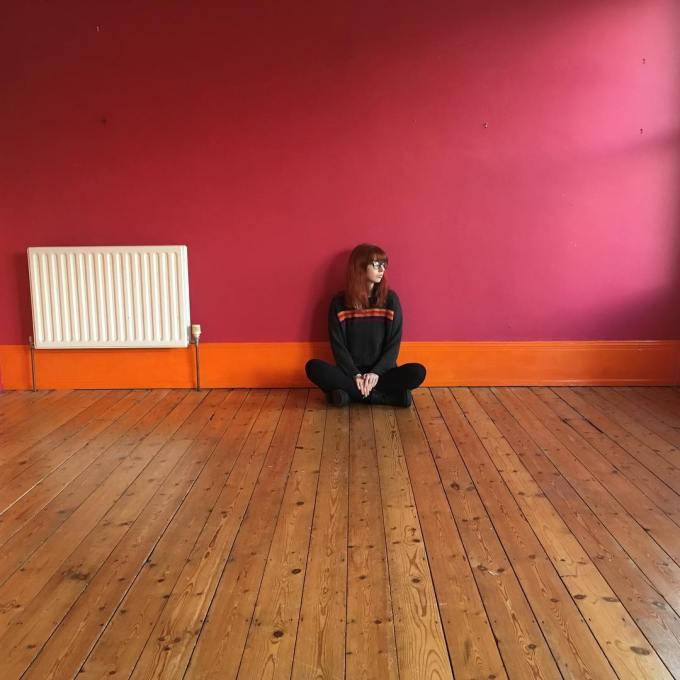
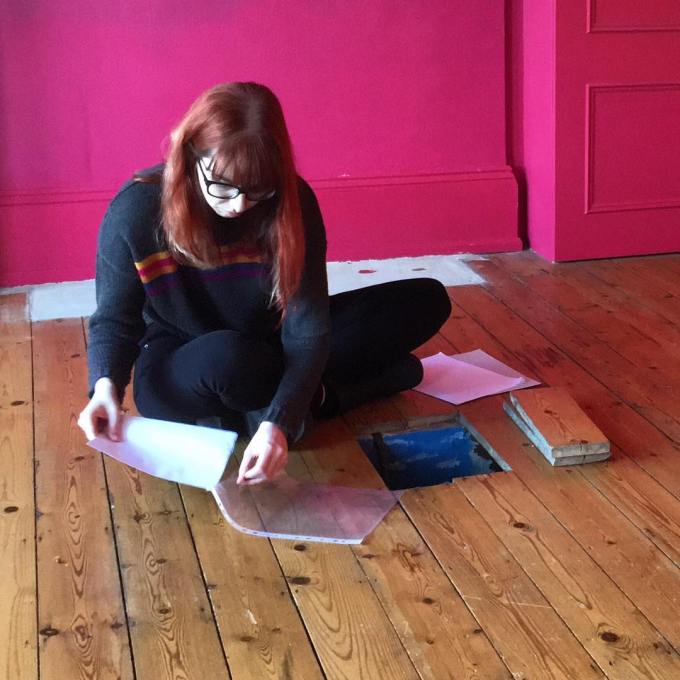
I definitely needed to say a real goodbye. I’d lived in that house for fifteen years; I felt safe there and there are a lot of memories associated with it. For a long time, it felt impossible to leave. So, once I could consider it, I thought a lot about what would help me leave, knowing that I wouldn’t be coming back. So, on the last day, we took some pictures of me in my room and then I put a letter I’d written for a future resident under a loose floorboard. I can’t tell you why or how but that did help a bit.
ADVICE FOR FRIENDS AND FAMILY
If you’re telling an autistic person that you have to move, be clear. Give them all the information. Especially when there’s so much emotion, it can be hard to process what’s going on so anything that isn’t explicitly stated may get lost.
Give them as much warning as possible. Something like this is really difficult to process – there are so many emotions involved – and it came take time to absorb and make sense of.
So I think that’s everything. I hope this has been interesting and helpful. One last thing to add: I found this article recently that is more relevant to someone moving out of their family home and thought it was definitely worth including here.
 Finding Hope